Join us in Barcelona for BAMC2026!
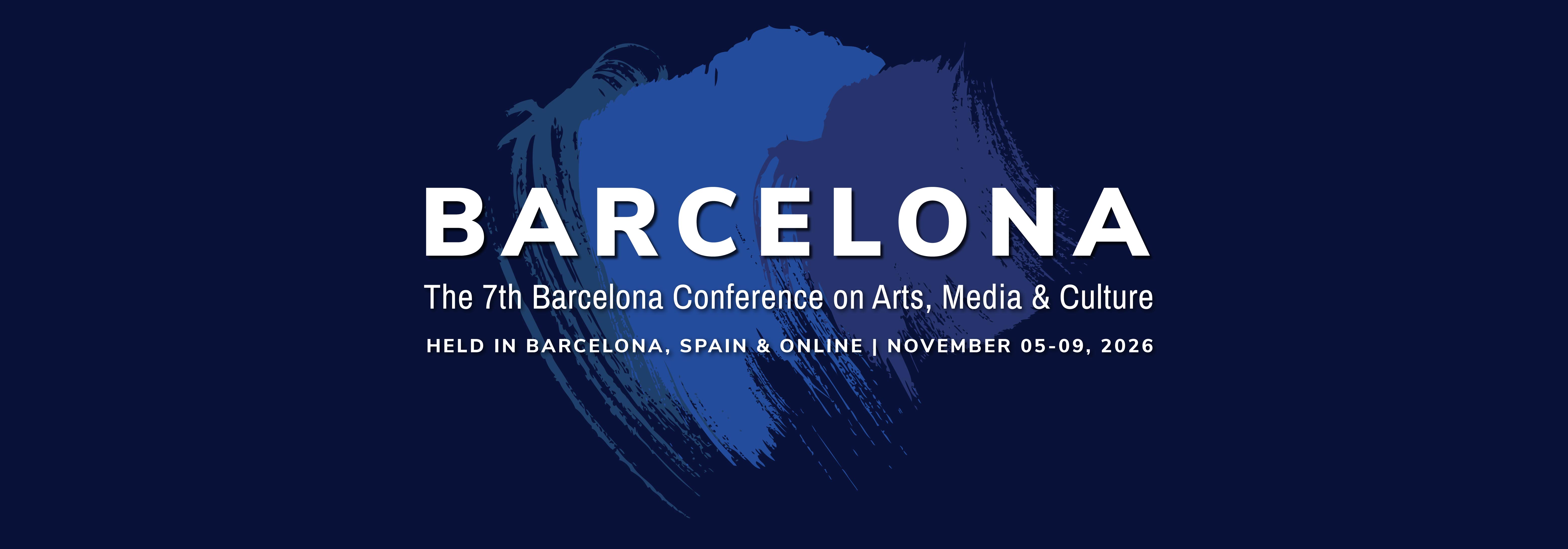
November 05-09, 2026 | Held in Barcelona, Spain (and online)
International, Intercultural, Interdisciplinary
The Barcelona Conference on Arts, Media & Culture (BAMC2026) will be held alongside The Barcelona Conference on Education (BCE2026) as a part of the IAFOR European City Conference Series, and many of the sessions will concentrate on areas at the intersection of education and the arts and humanities. In keeping with IAFOR’s commitment to interdisciplinary study, delegates at either conference are encouraged to attend sessions in other disciplines. Registration for either conference will allow delegates to attend sessions in the other. We expect the resultant professional and personal collaborations to endure for many years, and we look forward to seeing you in Barcelona and online!
Introduction
The International Academic Forum (IAFOR) and the IAFOR Research Centre at the Osaka School of International Public Policy (OSIPP) at The University of Osaka, Japan, invite you to join The 7th Barcelona Conference on Arts, Media, and Culture, running alongside The 7th Barcelona Conference on Education. With an open call for papers, this event offers an engaging exploration of Education, Arts, Media, and Culture's latest advancements, inspired by diverse global ideas. Rooted in international, intercultural, and interdisciplinary foundations, BCE/BAMC2026 provides exceptional networking, professional development, and opportunities to present and publish contemporary ideas for academics at all career stages.
Throughout its history, Spain has served as a bridge connecting European and Arabic thought, having been conquered by both Romans and Arabs. This historical intersection became the cradle from which Arab intellectualism spread into Europe, showcasing the potential for different cultures to thrive and mutually influence one another within the same geographical space. Situated at the crossroads of Europe and North Africa, with the magnificent Mediterranean Sea as its backdrop, Barcelona has long been a focal point for intercultural communication and exchange and a harmonious coexistence of various cultures and ideas.
Today, this legacy continues to thrive in the city. Barcelona not only boasts its status as an international hub, seamlessly blending tradition and modernity, but it also serves as a hub of political and cultural uniqueness. As the epicenter of Catalonian separatism, Barcelona is a living testament to a politically active civil society composed of a distinct cultural and linguistic minority that ardently fights for its rights. Barcelona is where the realms of multiculturalism, linguistic diversity, political activism, technology, and global communication intersect, making it an ideal setting to explore interdisciplinary themes and collaborate with scholars from around the world.
In this dynamic and globally connected city, our conference, with a thematic focus encompassing Education, Arts, Media, and Culture, provides an opportunity to engage with a rich tapestry of ideas, cultures, and perspectives. Barcelona is where the realms of multiculturalism, linguistic diversity, political activism, technology, and global communication intersect, making it an ideal setting to explore interdisciplinary themes and collaborate with scholars from around the world.
– The BAMC2026 Programme Committee
- Venue & Location: Held in Barcelona, Spain (and online)
- Dates: Thursday, November 05, 2026 to Monday, November 09, 2026
- Early Bird Abstract Submission Deadline: May 14, 2026*
- Final Abstract Submission Deadline: July 23, 2026
- Registration Deadline for Presenters: September 03, 2026
*Submit early to take advantage of the discounted registration rates. Learn more about our registration options.
Plenary Speakers
To Be announced
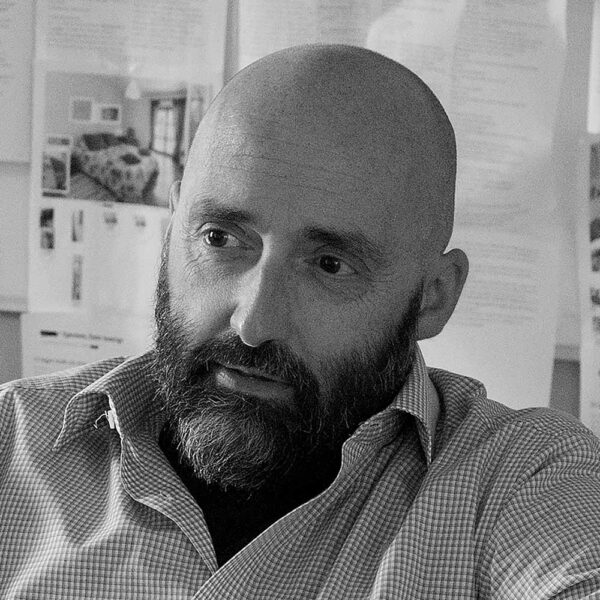
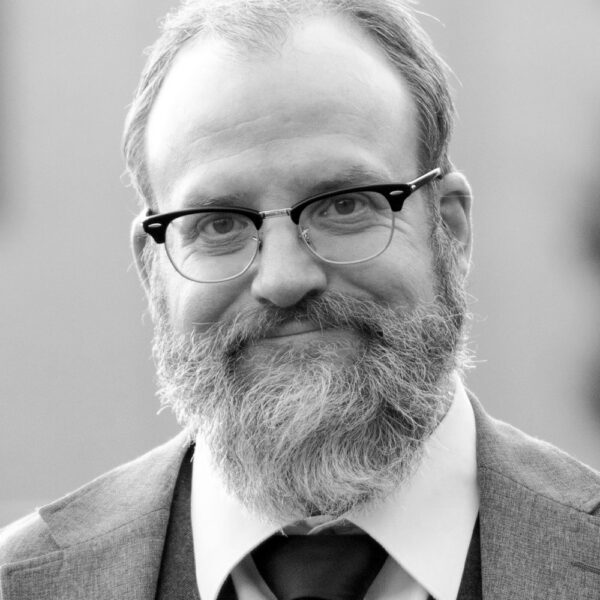
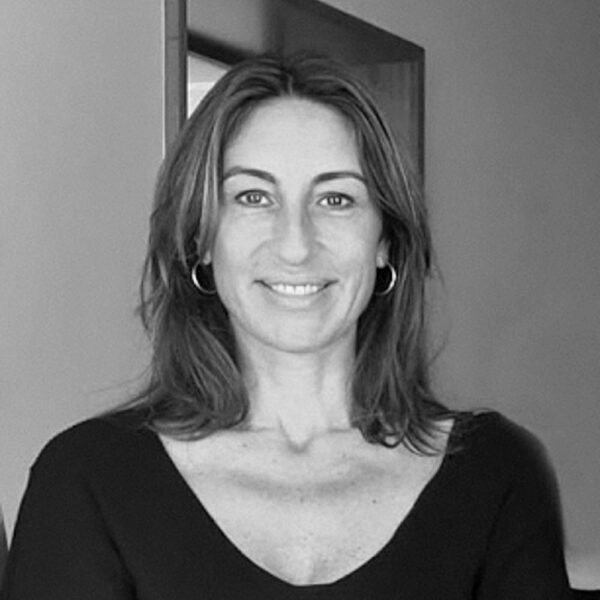
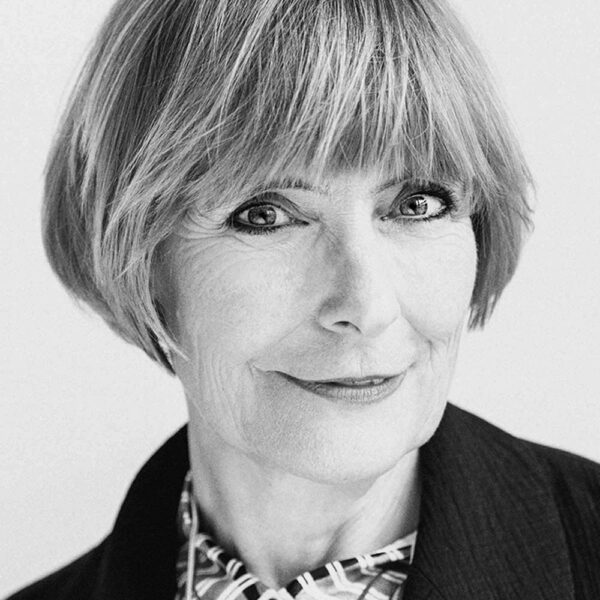
-
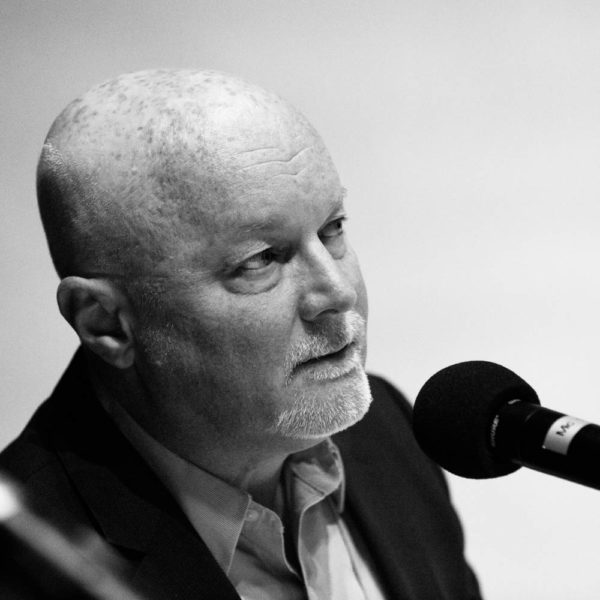
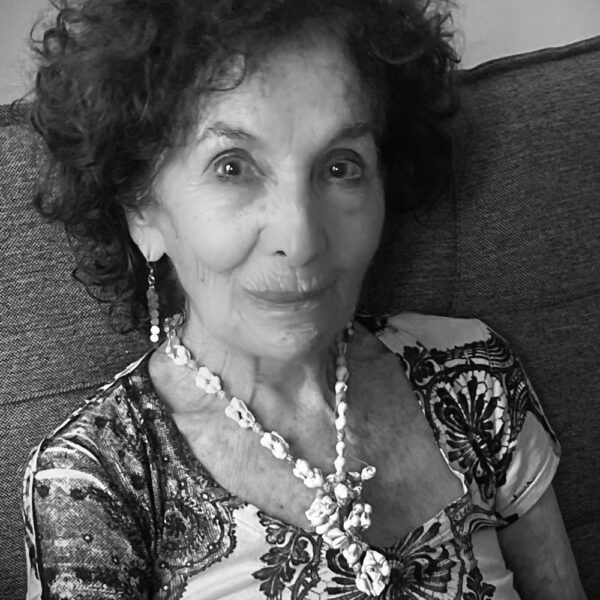
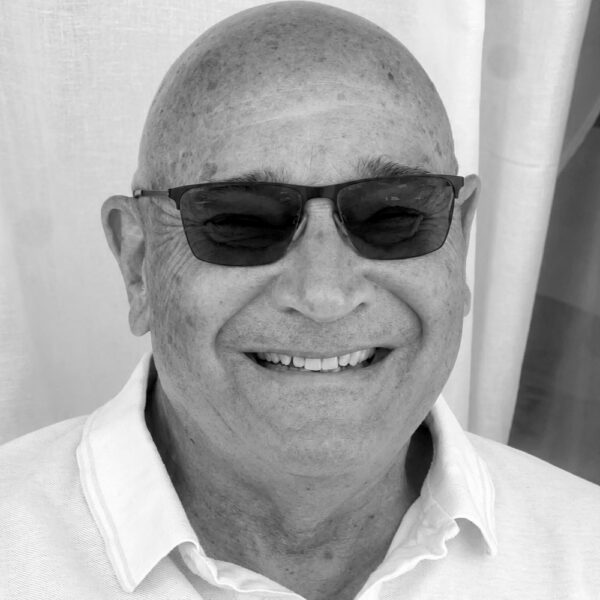
 Heitor AlvelosUniversity of Porto, Portugal
 -
Brian AycockChuo University, Japan
-
Susana BarretoUniversity of Porto, Portugal
-
Anne BoddingtonIAFOR, Japan
-
Donald E. HallBinghamton University, United States
-
Gloria MonteroNovelist; Dramatist; Poet, Spain
-
Alex SeagoRichmond American University London, United Kingdom
Programme
To Be announced
-
Design Education in an Accelerated World: How Are We Keeping Up?Workshop Session: Heitor Alvelos, Susana Barreto
-
Creative Education in Times of CrisisPanel Presentation: Alex Seago
-
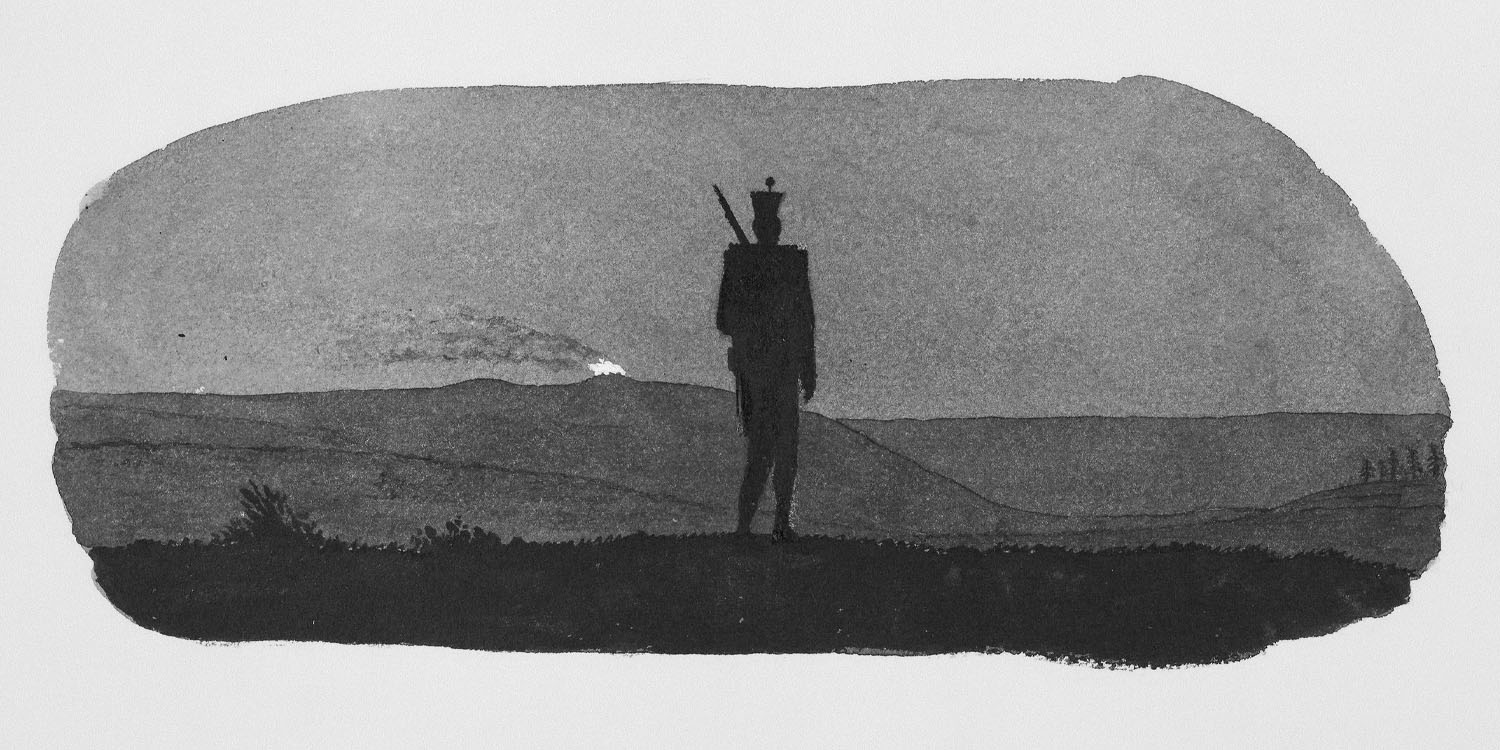
The Unknown Soldier1featured Session: Gloria Montero
-
Senior Academic LeadershipFeatured Workshop: Anne Boddington, Donald E. Hall, Joseph Haldane
-
The Forum: Agency in Times of CrisisCome share your thoughts and experiences as global educators and researchers.
-
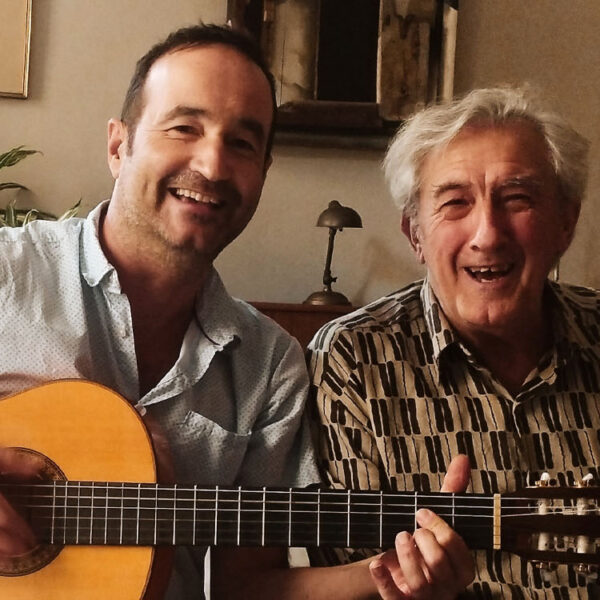
A Journey Through the History of the Catalan RumbaRumba Catalana Performance and Workshop: Joan Delgado, Agustín Gálvez


Conference Committees
The International Academic Board (IAB)
Professor Anne Boddington, IAFOR & Kingston University, United Kingdom (IAB Chair)
Dr Joseph Haldane, IAFOR & The University of Osaka, Japan
Professor Jun Arima, IAFOR & The University of Tokyo, Japan
Professor Virgil Hawkins, IAFOR Research Centre & The University of Osaka, Japan
Mr Lowell Sheppard, IAFOR & Never Too Late Academy, Japan
Professor Umberto Ansaldo, VinUniversity, Vietnam
Dr Susana Barreto, University of Porto, Portugal
Professor Grant Black, Chuo University, Japan
Dr Evangelia Chrysikou, The Bartlett School of Sustainable Construction, University College London, United Kingdom
Professor Donald E. Hall, Binghamton University, United States
Professor Brendan Howe, Ewha Womans University, South Korea & The Asian Political and International Studies Association (APISA)
Dr James W. McNally, University of Michigan, United States & NACDA Program on Aging
Conference Programme Committee
Professor Heitor Alvelos, University of Porto, Portugal
Dr Sue Ballyn, University of Barcelona, Spain (Conference Co-chair)
Professor Anne Boddington, IAFOR & Kingston University, United Kingdom
Professor Susana Barreto, University of Porto, Portugal
Dr Joseph Haldane, IAFOR and The University of Osaka, Japan, & University College London, United Kingdom (Conference Co-chair)
Professor Raul Fortes Guerrero, University of Valencia, Spain
Dr Mattia Mantellato, University of Udine, Italy
Gloria Montero, Novelist, Playwright and Poet, Spain
Professor John McLeod, University of Leeds, United Kingdom
Dr Dolors Ortega Arévalo, University of Barcelona, Spain
Professor Antonella Riem, University of Udine, Italy
Professor Catalina Ribas Segura, Comillas Pontifical University, Spain
Conference Programme Committees (CPC) are formed as generative bodies, reflecting upon the academic themes identified by the International Academic Board (IAB) and generating the academic programme for the conference(s) they are assigned to, by applying the IAFOR Themes to a given location.
To join the BAMC Conference Programme Committee, send your CV and a brief Letter of Motivation, describing why the committee should consider your application, via the below application form:
The International Academic College (IAC)
Dr Hasan Al-Wadi, University of Bahrain, Bahrain
Dr Shamim Ali, Riphah International University, Pakistan
Professor Umberto Ansaldo, VinUniversity, Vietnam
Professor Shingo Ashizawa, Kansai University of International Studies, Japan
Dr Brian Aycock, International Christian University, Japan
Professor William Baber, Kyoto University Graduate School of Management, Japan
Professor Emeritus Sue Ballyn, University of Barcelona, Spain
Ms Keiko Bang, Bang Singapore Pte Ltd, Singapore
Professor Geoff Beattie, Edge Hill University, United Kingdom
Professor Denis Binder, Chapman University, United States
Dr Sarah Louisa Birchley, Toyo Gakuen University, Japan
Dr Holger Briel, Beijing Normal University-Hong Kong Baptist University United International College, China
Mr James Joseph Briganti, Michigan State University, United States
Professor Bruce Brown, Royal College of Art, United Kingdom
Lord Charles Bruce, Japan Society of Scotland, United Kingdom
Dr Eddie Bruce-Jones, SOAS, University of London, United Kingdom
Professor Chung-Ying Cheng, University of Hawai’i at Manoa, United States
Distinguished Professor Tien-Hui Chiang, Zhengzhou University, China
Mr Marcus Chidgey, Founder & CEO at Loqiva, United Kingdom
Dr George D. Chryssides, University of Birmingham, United Kingdom
Dr Christine Coombe, Dubai Men’s College, United Arab Emirates
Professor Melinda Cowart, Texas Woman’s University, United States
Professor Georges Depeyrot, French National Center for Scientific Research, France
Professor Jean-Marc Dewaele, Birkbeck, University of London, United Kingdom
Professor Tatiana Dobrosklonskaya, Lomonosov Moscow State University, Russia
Dr Richard Donovan, Kansai University, Japan
Dr Murielle El Hajj Nahas, Lusail University, Qatar
Professor John Nguyet Erni, Hong Kong Baptist University, Hong Kong
Professor Said M. Faiq, American University of Sharjah, United Arab Emirates
Dr William C. Frick, University of Oklahoma, United States
Dr Alfonso J. García Osuna, Hofstra University & The City University of New York, United States
Professor Gerard Goggin, Nanyang Technological University, Singapore
Dr Fernando Darío González Grueso, Tamkang University, Taiwan
Professor Stephen J. Hall, Sunway University, Malaysia
Dr June Henton, Auburn University, United States
Mr Harry Hill, Japan United States Friendship Commission (JUSFC), Japan
Dr Rodney F. Hill, Hofstra University, United States
Dr Tamsin Hinton-Smith, University of Sussex, United Kingdom
Professor Curtis Ho, University of Hawai’i at Manoa, United States
Dr Daniel Hoffman, University of Hawai’i at Manoa, United States
His Excellency Professor Toshiya Hoshino, UN Inspectorate General, Immediate Past President of IAFOR, and former Japanese Ambassador to the UN
Professor Tom Houghton, Curtin University, Australia
Professor Brendan Howe, Ewha Womans University & The Asian Political and International Studies Association (APISA), South Korea
Professor Kay Irie, Gakushuin University, Japan
Professor Hiroshi Ishida, University of Tokyo, Japan
Dr Maxime Jaffré, United Arab Emirates University, United Arab Emirates
Mr Matthew Kay, Nature Publishing, United Kingdom
Mr Michael Liam Kedzlie, Barrister and Solicitor of the High Court of New Zealand, New Zealand
Mr Daniel Kjellsson, Future Talent Council, Sweden
Dr Yukinori Komine, Harvard University, United States
Dr Rachel Lam, Independent Consultant, Salt Lake City, Utah, United States
Dr Celia Lam, University of Nottingham Ningbo China, China
Ms Fan Li, LePing Social Entrepreneur Foundation & Stanford Social Innovation Review (SSIR), China
Dr Tzu-Bin Lin, National Taiwan Normal University, Taiwan
Professor Robert Logie, Osaka Gakuin University, Japan
Dr Jacqueline Lottin, Higher Colleges of Technology, United Arab Emirates
Professor Craig Mark, Kyoritsu Women's University, Japan
Professor Ljiljana Marković, European Centre for Peace and Development (ECPD), Serbia
Dr Yvonne Masters, Independent Researcher, Australia
Professor José McClanahan, Creighton University, United States
Professor Dennis McInerney, Hong Kong Institute of Education, Hong Kong
Professor David McLoughlin, Meiji University, Japan
Dr Michael Menchaca, University of Hawai’i at Manoa, United States
Professor Keith W. Miller, University of Missouri, United States
Dr Alyson Miller, Deakin University, Australia
Dr Yutaka Mino, Hyogo Prefectural Museum of Art, Japan
Professor Kuniko Miyanaga, Human Potential Institute, Japan
Professor Johannes Moenius, University of Redlands, United States
Professor Joshua Ka Ho Mok, Lingnan University, Hong Kong
Dr Bernard Montoneri, Independent Researcher, Taiwan
Professor Thomas Brian Mooney, Charles Darwin University, Australia
Dr Amanda Müller, Flinders University, Australia
Dr Jo Mynard, Kanda University of International Studies, Japan
Ms Karen Newby, Par les mots solidaires, France
Dr Cynthia Northington-Purdie, Hunter College (CUNY), United States
Dr Keiichi Ogawa, Kobe University, Japan
Professor Mark Pegrum, The University of Western Australia, Australia
Dr Anemona Peres, European Border and Coast Guard Agency,
Dr Alexandru I. Petrisor, Ion Mincu University of Architecture and Urbanism, Romania
Dr Elena Raevskikh, Department of Culture and Tourism Abu Dhabi, United Arab Emirates
Dr Thanassis Rikakis, University of Southern California, United States
Professor Richard Roth, Medill School of Journalism, Northwestern University, United States
Dr James Rowlins, Singapore University of Technology and Design, Singapore
Dr Justin Sanders, Woven by Toyota, Japan
Dr Monty P. Satiadarma, Tarumanagara University, Indonesia
Dr Linda Schwartz, Ambrose University, Canada
Dr Shahrokh (Sharo) Shafaie, Southeast Missouri State University, United States
Dr Sharo Shafaie, Southeast Missouri State University, United States
Mr Lowell Sheppard, HOPE International Development Agency, Japan
Dr Jeffrey Sommers, University of Wisconsin-Milwaukee, United States
Dr Marcelo Staricoff, University of Sussex, United Kingdom
Dr Pearl Subban, Monash University, Australia
Professor Gary E. Swanson, University of Northern Colorado (fmr.), United States
Dr Amy Szarkowski, Harvard Medical School, United States
Professor Svetlana Ter-Minasova, Lomonosov Moscow State University, Russia
Dr Devayani Tirthali, Independent Researcher, India
Dr Brian Victoria, Oxford Centre for Buddhist Studies, United Kingdom
Dr Deborah G. Wooldridge, Bowling Green State University, United States
Dr Seiko Yasumoto, The University of Sydney, Australia
Dr Tingting Ying, University of Nottingham Ningbo China, China
Conference Review Committee
Dr Martyna Bieniek, Kazimierz Wielki University in Bydgoszcz, Poland
Dr Joana Braguez, Instituto Politécnico de Viseu, Portugal
Dr Matthew Brooks, University of Nebraska at Omaha, United States
Dr Alexander Ibni, Zamboanga Peninsula Polytechnic State University, Philippines
Dr Nur Atirah Kamaruzaman, Universiti Putra Malaysia, Malaysia
Dr Atouoto Kerker, Benue State University, Nigeria
Dr Malektaj Khosravi, Islamic Azad University, Iran
Professor Daniel Mckay, Independent Scholar, United Kingdom
Dr Catherine Phillips, Lakehead University, Canada
Dr Bharti Shandilya, University of Delhi, India
Dr Yu Yang, Zhengzhou University, China