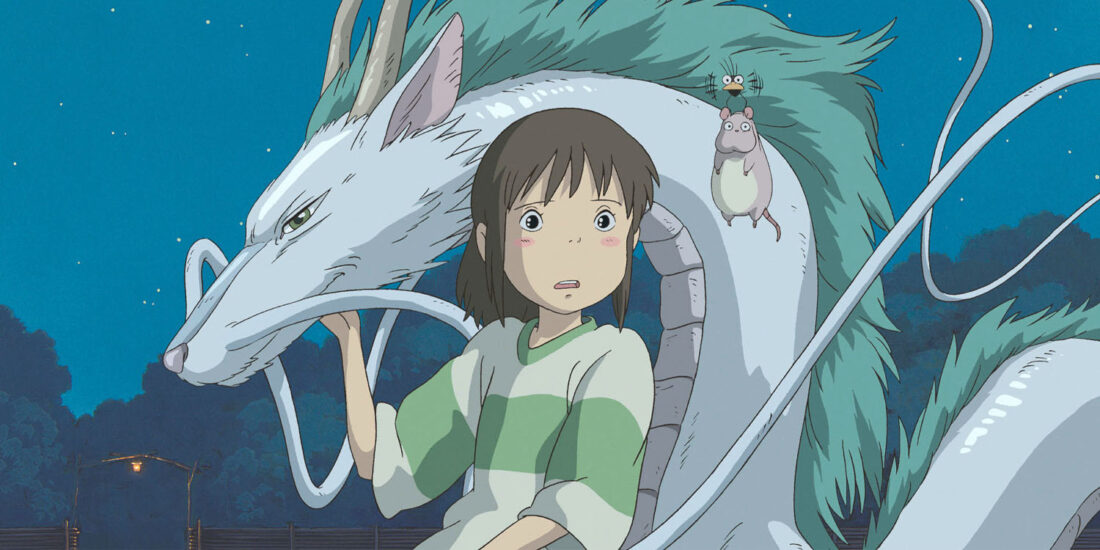
One of the most recognisable hallmarks of Hayao Miyazaki’s cinema is its transculturality, visible in the unique blend of elements belonging to Eastern and Western cultural traditions. Such elements, spanning a wide range of disciplines and Subjects, highlight Miyazaki’s intertextuality and combine to (re)create different spatio-temporal universes where fantasy meets reality: an invention in itself, as it is composed of fragments from different realities.. Those universes then become magical reflections of the everyday world through which the filmmaker conveys messages or moral teachings easier to understand and accept. At the same time, however, they also become for Japanese audiences dimensions of the unknown, especially when they exhibit ‘exotic’ elements from European traditions; perfect for setting dark portraits of the uncertain future of humanity in them, initiatory journeys far from home and one’s own culture, or laborious searches for legendary objects/places. Additionally, the aforementioned references to Europe – a Europe filtered through imagination – give a dreamed West back to us and prompts us to think about our own legacy, while the revision of Japanese history and culture breaks down some Japanese stereotypes and clichés, leading us and Japanese audiences alike to reconsider a lot of ideas about Japan. While portraying a reinterpreted historical past or a dystopian, post-apocalyptic future, Miyazaki’s works also serve as parables of our current reality, making evident the changes in modern Japan, which go hand in hand with the great changes taking place around the globe today. Thus, his oeuvre serves as a paradigmatic example of anime’s capacity to capture the complexity of our world today, perhaps even better than live-action films.
Read presenter's biographyEast Wind, West Wind: Intertextuality, Transculturality, and Temporal and Spatial (Re)creations in the Cinema of Miyazaki Hayao